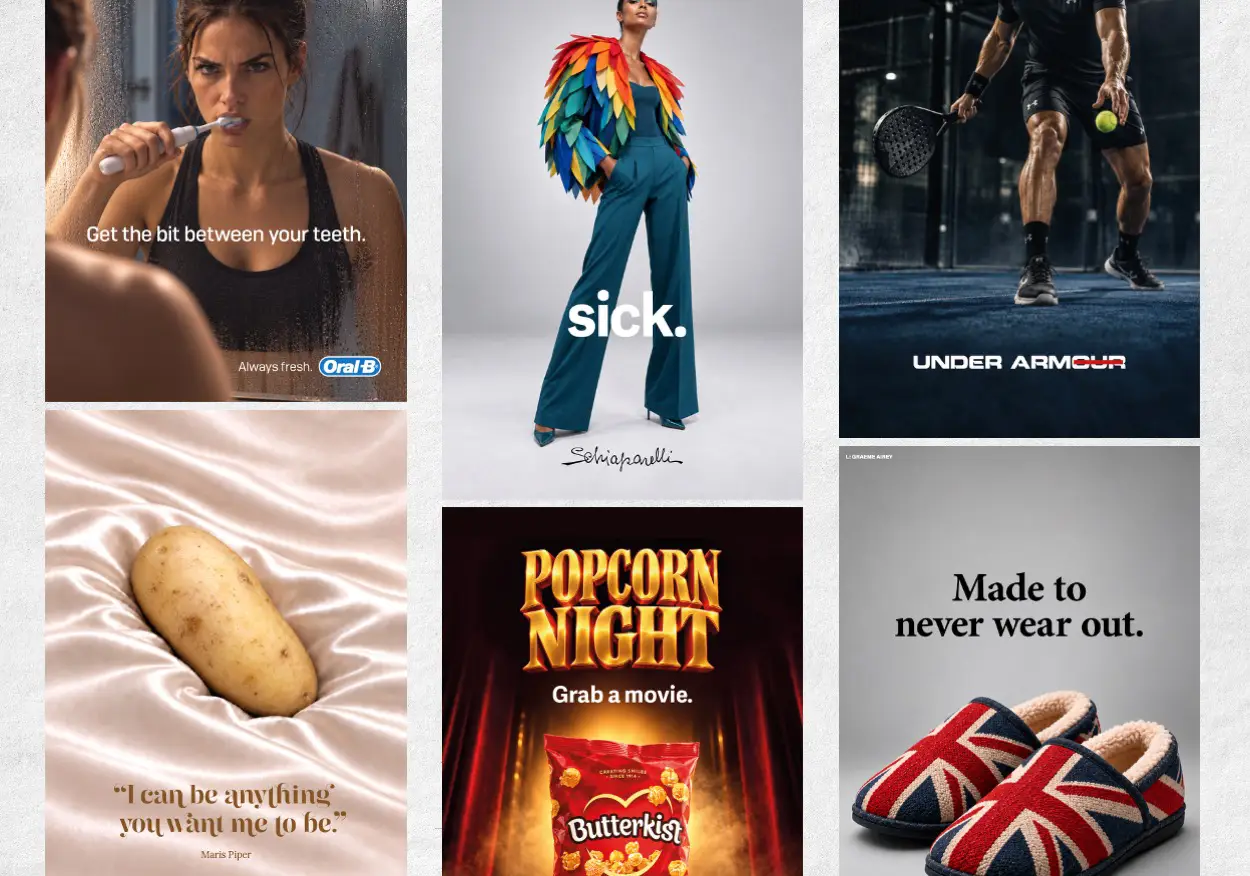
The news from last week’s AdobeMAX leaves me with two reactions. Some of this is going to be very useful. Some of the assumptions people will make could be very expensive.
I’m thinking about how juniors gain experience, and whether we can all still earn a living from it. I’m hearing freelancers struggle to make ends meet, while more clients take work in-house with tools that make it possible.
Some days, it feels like I’m an expert in something people no longer think requires expertise.
That’s an uncomfortable thing to admit when you still love doing it. It makes me wonder what someone starting out is walking into. There’s plenty of reassurance that creative thinking, taste and judgement still matter. I agree. But how do people develop those things if we remove the work through which they learn?
Resizing artwork. Retouching images. Understanding colour. Trying different layouts. Knowing when there’s too much on a page. Knowing how to pace the content that can’t be cut. Recognising bad kerning. Knowing what kerning even is. Working through amends with someone explaining why it wasn’t quite right.
You learn why a crop works and how much difference small adjustments make. You get things wrong, get feedback and gradually start spotting things yourself.
If AI takes over that work, what does the first year in a creative career look like?
I’m genuinely asking.
I don’t want to preserve tedious tasks for the sake of making juniors suffer them. If technology gives them a better way to learn, brilliant.
Nick Entwistle (Creative Director and Founder of the Bank of Creativity) recently wrote about offers from AI aimed at helping him not do the things he actually wants to do.
I feel the same. I enjoy working on a layout, playing with type and experimenting. Getting absorbed in the making is part of why I chose this career.
I’d like people starting out to have that experience too, alongside learning how to direct the tools.
Which means we still need to make room for time with experienced people. Proper involvement in briefs. Opportunities to make decisions, explain them, get feedback and try again. Enough hands-on experience to understand what the tools are doing, and when they’ve got it wrong.
Let's talk.
FREE DISCOVERY CALL
see how we can maximise your marketing.

Christy Evans (Place Officer – Economic Development at Dacorum Borough Council) shared a timely example: West Herts College’s Live Brief facility, where businesses brief students on real projects. She’s just briefed graphic design students, giving them the chance to ask questions, develop ideas and engage with a real organisation.
That’s one excellent way to give people a start.
My worry is that we’ll automate the tasks, stop hiring juniors, then complain that we can’t find experienced creatives. I’m excited by what these tools could help us do. I’m also worried about the industry we’re building around them.
If you’re bringing juniors into a creative team, how are you approaching this? And if you’re starting out, what opportunities are you finding?