Yes, Lego has advantages: a globally loved product, built-in nostalgia, inherently hands-on. They’re not starting from scratch. But plenty of big brands with beloved products still manage to produce forgettable stores.
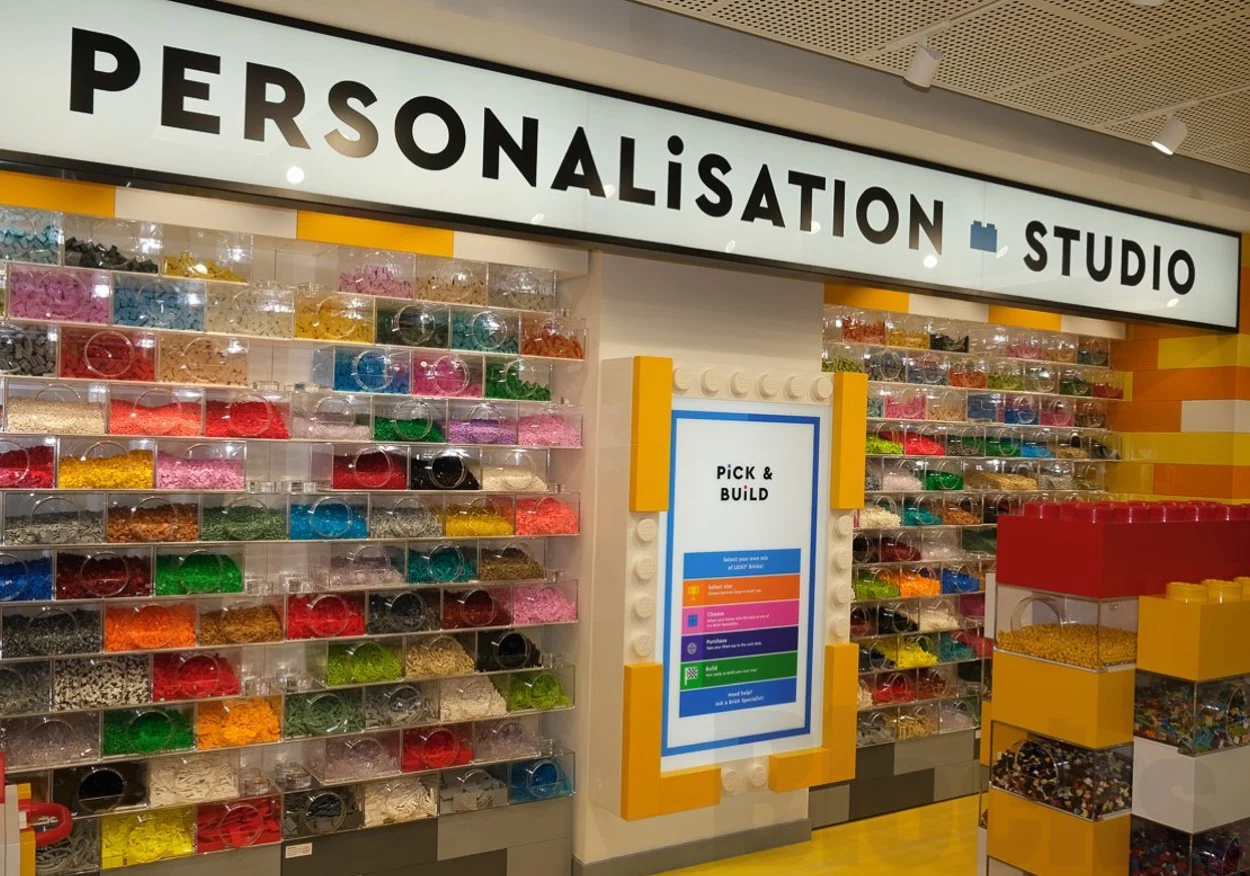
The Lego Store is immersive.
Proper building stations. Spaces to linger. Things to try. You’re not just browsing shelves; you’re participating. My boys were completely absorbed within minutes. As was I.
It was busy (queues-around-the-corner busy). The kind of footfall where you could let service slip. They didn’t.
Staff were attentive without hovering. Two different people offered to hold the wobbling stack of boxes I was attempting to carry. Not in a scripted way, in a “you look like you’re about to drop £200 worth of bricks” way.
(And yes. I spent a flippin’ fortune.)
But I didn’t begrudge it because the experience earns it.
If you want to make physical retail work in 2026, when convenience lives in our pockets and next-day delivery feels slow, this is the blueprint.
Make it immersive. Remove tiny irritations before they grow. Give people reasons to stay longer than they planned.
Not every store can be in Leicester Square. Not everyone has Lego’s brand power.
But if you’re going to ask people to show up in person, give them something that feels better than a place to pay. The sales tend to follow.
Even if your bank balance needs a quiet word on the train home.